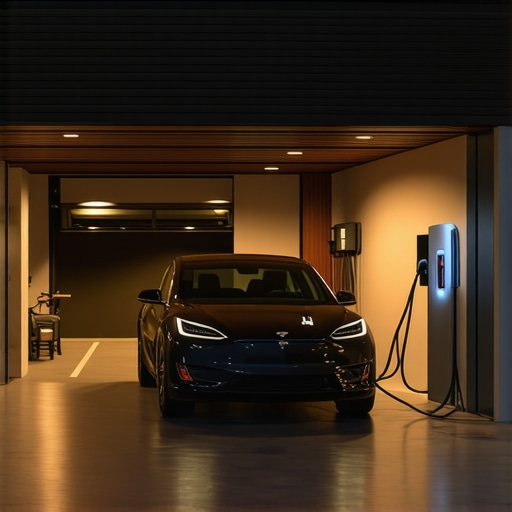

Panel Upgrades & Code Compliance: Essential Guide for Safe EV Charging at Home
If you’ve ever experienced a tripped breaker or flickering lights while charging your electric vehicle at home, you know how frustrating and concerning it can be. I remember the first time I plugged in my EV charger and suddenly lost power in half my house. That lightbulb moment made me realize how crucial proper panel upgrades and code compliance are for safe, reliable charging.
Why Your Home’s Electrical System Matters More Than You Think
Charging an EV isn’t just about plugging in and hitting start. It’s about ensuring your home’s electrical system can handle the load safely. A subpar or outdated panel can cause frequent issues, potential fire hazards, and even damage to your vehicle or appliances. Early on, I made the mistake of assuming my existing panel was sufficient—that was a costly oversight. It took a professional inspection and some upgrades to get everything running smoothly. If you’re serious about safe and efficient EV charging, understanding the importance of proper panel upgrades and adhering to electrical codes is non-negotiable. For more detailed guidance, I recommend checking out this comprehensive guide.
Is All the Hype About Panel Upgrades Worth It?
Many homeowners wonder if investing in panel upgrades really makes a difference. The answer is a resounding yes—especially if you’re planning to charge regularly or have a high-capacity charger. Skimping on proper upgrades can lead to safety issues and costly repairs down the line. Trust me, I’ve seen firsthand how a small upgrade can dramatically improve charging speed, safety, and peace of mind. Don’t make the mistake I did early on—assume everything is fine until it’s too late. For expert advice on what upgrades are necessary, visit this page.
Evaluate Your Current Electrical Panel
Start by inspecting your existing electrical panel. Look for signs of age, corrosion, or overloading. If your panel is more than 20 years old or has frequent trips, it’s time to consider an upgrade. I once faced an issue where my old panel kept tripping whenever I tried to charge my EV, which led me to hire a professional for a thorough inspection. They advised replacing it with a modern, higher-capacity panel to ensure safety and efficiency.
Test Your System’s Capacity
Use a multimeter or hire an electrician to measure your panel’s current capacity. Ensure it can handle the additional load from your EV charger, which can range from 30A to 50A for fast chargers. I learned this the hard way when I attempted to install a 40A charger with my existing 100A panel—resulting in constant overloads. Upgrading to a panel rated for at least 200A made a huge difference. For detailed info, visit this troubleshooting guide.
Plan and Execute Panel Upgrades
Work with a licensed electrician to plan the upgrade. They will determine if your panel needs a full replacement or just an additional circuit. Think of your electrical system as a highway; adding an EV charger is like creating a new lane. You need a big enough highway to handle the traffic safely. I once watched my electrician replace my panel — it involved disconnecting the main supply, removing the old panel, and installing a new one with dedicated circuits for my EV and other high-demand appliances. This process ensures your system can handle current and future needs.
Ensure Code Compliance
Code compliance isn’t optional—it’s a must for safety and legal reasons. Your electrician should follow local electrical codes, which specify wire sizes, breaker ratings, and grounding methods. I had to verify this myself when I installed my charger, and I used resources like this compliance checklist. Proper compliance prevents hazards such as fires or electrical shocks and ensures your warranty remains valid.
Install Your EV Charger Correctly
Once your panel is upgraded and code-compliant, install the EV charger according to manufacturer instructions. Use a dedicated circuit and high-quality wiring to avoid issues. I recommend consulting with your electrician about surge protection devices, which can prolong your charger’s lifespan. During my installation, I ensured all connections were tight and properly insulated, which prevented future faults. For troubleshooting tips, see this troubleshooting guide.
Test and Verify Safety
After installation, test the system thoroughly. Check for proper grounding, no exposed wires, and ensure the breaker trips correctly during faults. Using a dedicated tester, I verified my system’s safety features, giving me peace of mind. Regular inspections and maintenance are critical to keep everything running smoothly. You can also consult this verification resource for ongoing compliance.
While most homeowners focus on selecting the right EV charger and ensuring proper panel upgrades, many overlook the nuanced pitfalls that can compromise safety and performance. In my experience, one common myth is that a simple troubleshooting checklist can resolve most issues. However, the reality is far more complex, especially when it comes to understanding the intricacies of electrical code compliance and advanced troubleshooting. Let’s dig deeper into what most people get wrong about EV charging systems.
Why Relying on Basic Troubleshooting Can Lead to Bigger Problems
Many assume that if their charger isn’t working, resetting the breaker or checking connections will fix it. While these steps are necessary, they often mask underlying issues like improper wiring, insufficient panel capacity, or non-compliance with local codes. For instance, I once encountered a homeowner who replaced their charger after a few faults, only to find the problem persisted. It turned out their wiring wasn’t rated for the load, violating safety standards. This guide highlights how advanced troubleshooting involves verifying grounding, wire sizes, and circuit integrity beyond basic checks.
Common Misconceptions About Code Compliance
One pervasive myth is that code compliance is optional or only relevant during initial installation. In reality, codes evolve, and what was acceptable five years ago might now be outdated. Ignoring current standards can lead to safety hazards and void warranties. I’ve seen cases where outdated panels cause frequent faults, which could have been prevented with proper code adherence. Always ensure your system meets the latest requirements, especially regarding wire gauges, breaker ratings, and grounding methods.
Advanced Mistake: Overlooking Panel Capacity and Future Proofing
One of the most overlooked factors is the capacity of your electrical panel. A common mistake is installing a high-capacity charger without upgrading the panel accordingly. This oversight can cause overloads, fires, or frequent trips. For example, I initially installed a 40A charger on a 100A panel, which led to constant issues. Upgrading to a 200A panel not only resolved these problems but also prepared my home for future EVs. For expert advice on this, check this resource.
Are You Prepared for the Next Level of Troubleshooting?
If you want to go beyond the basics, consider investing in diagnostic tools that measure circuit impedance, load, and grounding quality. Additionally, working with a licensed electrician familiar with the latest codes ensures your installation is safe and future-proof. Remember, electrical systems are complex, and a small oversight can have significant consequences. Always verify your setup with this verification process to ensure compliance and safety.
Have you ever fallen into this trap? Let me know in the comments!
How do I maintain my EV charging system over time?
Keeping your EV charging setup in top shape requires more than just a one-time installation. Regular maintenance, proper tools, and proactive troubleshooting can save you from costly repairs and ensure your system remains safe and reliable. I personally rely on a set of specific tools and practices that have proven effective over my years of experience with home EV charging systems.
First, I always keep a high-quality multimeter on hand. I use this to verify voltage levels, check wiring integrity, and ensure proper grounding. A multimeter like the Fluke 117 is my go-to because of its accuracy and durability. I use it monthly to perform simple inspections, especially after any electrical work or storms that might impact the system. This early detection helps prevent issues like voltage drops or intermittent faults that can cause charger trips or damage.
In addition, I utilize a circuit impedance tester to measure load and ground resistance. This device helps me identify wiring problems that aren’t visible visually, such as hidden corrosion or loose connections. Proper grounding is critical for safety and code compliance, so I perform these tests periodically—at least twice a year. For detailed procedures, I refer to this troubleshooting guide.
Another essential tool is a thermal camera, which I use to scan for hotspots during charging. Hotspots often indicate loose connections or overloaded circuits that can lead to failures or fires if left unchecked. Regular thermal scans, especially after upgrades or rewiring, can catch issues early before they escalate. I recommend the FLIR One Pro, which connects easily to smartphones and provides high-resolution thermal imaging.
Beyond hardware, staying updated with software is equally important. Many modern EV chargers and panels have firmware that can be upgraded remotely or via a technician visit. Firmware updates often fix bugs, improve performance, and enhance safety features. I make it a habit to check the manufacturer’s website quarterly and schedule updates accordingly.
As the trend in EV infrastructure advances, I predict that diagnostic tools will become smarter and more integrated. Future systems might automatically alert homeowners of potential issues via smartphone apps, reducing the need for manual checks. Embracing these innovations now can position you ahead of the curve.
To truly master ongoing maintenance, I encourage you to adopt a routine that combines hardware inspections with software updates. Start by checking your wiring connections with a multimeter, scan for hotspots regularly with a thermal camera, and stay current with firmware releases. Doing so will extend the lifespan of your system, ensure safety, and keep your EV charging reliable for years to come. For more detailed tips, visit this resource. Don’t hesitate to try out one of these advanced tools today and see the difference it makes in your maintenance routine!
The Hardest Lesson I Learned About EV Charger, Troubleshooting, Code Compliance, and Panel Upgrades
One of my biggest realizations was that rushing into an EV charger installation without proper panel evaluation can lead to costly setbacks. I once tried to cut corners and skipped a detailed inspection, which resulted in frequent power trips and safety concerns. The lesson? Never underestimate the importance of a thorough pre-installation assessment and sticking to code standards. It saves time, money, and peace of mind in the long run.
Uncovering Hidden Myths That Delay Safe Charging
I used to believe that a simple plug-and-play approach was enough—that the charger or a quick reset could fix any issue. Turns out, many problems stem from outdated wiring or insufficient panel capacity, which basic troubleshooting can’t resolve. Getting familiar with advanced diagnostics and understanding the real reasons behind faults is essential. For example, upgrading my panel not only fixed ongoing issues but also prepared my home for future EV models. Check this guide for deeper insights.
What Most People Overlook When Upgrading Their Electrical System
Many homeowners focus only on the charger itself, forgetting that the electrical panel is the backbone of safe charging. I learned the hard way that a panel rated below my EV’s demand causes overloads and potential hazards. Ensuring your system has the capacity for current and future needs isn’t optional—it’s critical. Upgrading to a 200A panel was a game-changer for me and can be for you too. For expert advice, visit this resource.
How I Keep My System Running Smoothly Year After Year
Regular maintenance is often overlooked but vital. I keep a high-quality multimeter, thermal camera, and load tester handy to catch issues early. Scheduled checks for grounding integrity and wiring safety help me avoid surprises. Firmware updates from my charger’s manufacturer also ensure optimal performance. These proactive steps have extended my system’s lifespan and kept my home safe. For detailed maintenance routines, see this page.
Curated Recommendations for Future-Proof EV Charging
- Fluke 117 Multimeter: I trust it for accurate voltage readings and safety checks. It’s durable and easy to use, making routine inspections straightforward.
- FLIR One Pro Thermal Camera: Hotspots often signal loose connections. This tool helps me identify problems before they escalate, saving time and potential hazards.
- Upgrading to a 200A Panel: This was crucial for my home. It provided the capacity for current and future EV models, ensuring safety and efficiency. Check this guide for details.
- Firmware Update Resources: Staying current with manufacturer updates keeps my system reliable and safe. Regularly checking their sites is now part of my maintenance routine.
Take Action and Power Your Future Safely
Properly troubleshooting and upgrading your EV charging system isn’t just about convenience—it’s about safety and peace of mind. The best time to start is now. Invest in quality tools, stay informed about code standards, and work with licensed professionals. The more proactive you are, the more reliable your system will be for years to come. Have you faced challenges with your EV charger or panel upgrades? Let me know below and share your experiences!
Reading through this guide really highlighted the importance of not just the initial installation but ongoing maintenance and smart troubleshooting when it comes to EV chargers. I remember when I first installed my home charger, I overlooked the capacity of my existing electrical panel, which caused frequent trips until I upgraded it. The point about using proper diagnostic tools like thermal cameras and load testers is so crucial; I’ve found that early detection of hotspots or loose connections saves a lot of headaches down the line. I’m curious, how often do others perform system checks annually? Is there a recommended routine or schedule that has worked well for you? I think that staying proactive can really build confidence in our home charging setups and ensure safety for everyone in the household.